Popular Posts

Showing posts with label soldier's girl. Show all posts

Saturday, 30 January 2021

An Essential Film Guide for Baby Gays

 [Reader disclaimer: spoilers will be discussed. This piece also contains material of a sensitive nature].


Moonlight (2016)

If you're part of the LGBTQ+ community, then I'm sure you've heard the phrase 'baby gay' tossed around in conversation. And for those unfamiliar with the term, a 'baby gay' simply refers to a person of queer association whom is fresh out of the closet, ready to experience all parts of LGBTQ+ culture.

As a queer person myself, I had my baby gay phase. I attended my first Pride in 2012, spent hours in online safe spaces and, of course, watched a lot of gay films; queer cinema (in my opinion) is one of the best ways to initially immerse yourself in the culture. For lots of kids growing up in conservative households or strictly heteronormative environments, queer cinema not only provides representation but also a form of escapism for those unable to come out safely. 

When I began to live my life authentically, I didn't have anyone to teach me. So I hope this piece can be the essential guide for people, like me, who aren't sure where to start.

Gender


Orlando (1992)

Originally a novel by the iconic Virginia Woolf (a bisexual, feminist, pioneer of writing),  Orlando follows a nobleman from the 16th century who remains young forever, experiencing various different forms of love and gender. Orlando (played by the androgynous Tilda Swinton) begins the film as a man but transforms into a woman as they enter the 18th century: this film brilliantly illustrates the duality of the sexes but celebrates a blend of androgyny, queer presentation and defying gender norms.

The Rocky Horror Picture Show (1975)

One of the most iconic musicals in history, The Rocky Horror Picture Show encompasses comedy, lust and horror in the most fabulously camp manner. It is known best for leading man Tim Curry, who plays a cross-dresser from another world (referred to in the film as a "sweet transvestite"): Curry's outfits, consisted of garters, glitter and drag-esque makeup, which consequently paved the way for gender experimentation in the late 70s for a lot of young, queer fans.

A Fantastic Woman (2017)

The most modern film on this list, A Fantastic Woman is an important watch for anyone, regardless of whether you're within the LGBTQ+ community or not. The film depicts the hardships of protagonist Marina (played by Daniela Vega), who experiences assaults, threats and discrimination for being a trans woman. Although it is undoubtedly hard to watch, it's vital for people to see that this is unfortunately the reality for a lot of trans women, but the upside is that not only does this film celebrate being who you are but Marina is played by Vega who is a trans woman in real life as well.

Soldier's Girl (2003)

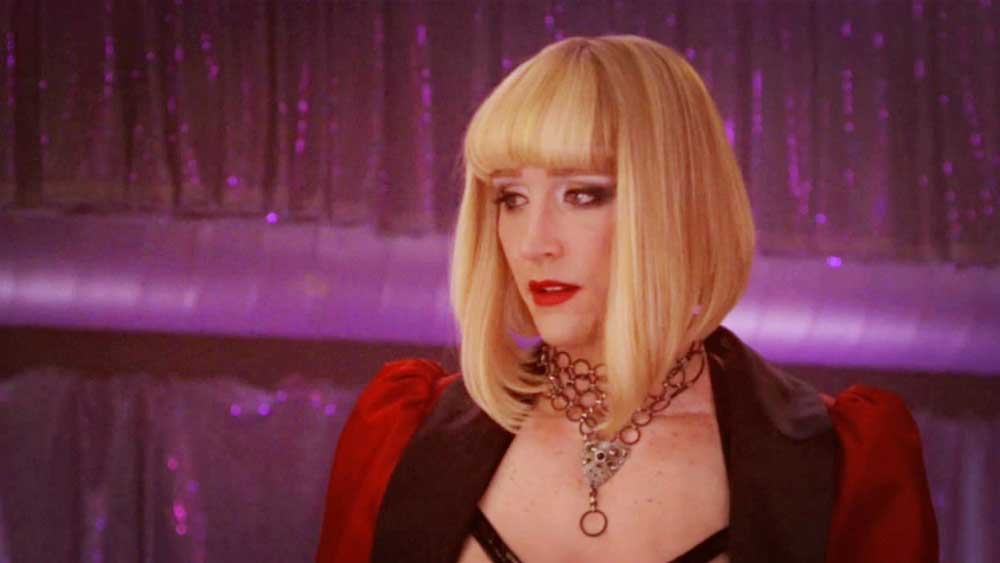
Whilst I'm usually against films that cast cis actors to portray trans people (you can read my post that goes into further detail on this here), I make an exception for Soldier's Girl because it's a biopic wherein the cis actor, Lee Pace (who plays trans woman Calpernia Addams) worked closely with the real-life individual in order to play her respectfully and realistically. This film features a trans woman but it's more-so focused on her boyfriend, who was sadly murdered for being in love with her. Despite the tragic ending, Soldier's Girl is worth watching in that it shows that love knows no bounds and that relationships between cis and trans individuals should not be execrated as dangerous and/or unnatural.

Sexuality


Blue is the Warmest Colour (2013)

The unfortunate context to Blue is the Warmest Colour is that the lead actresses were not treated very well at all, and that should be acknowledged, but it still remains an important staple of queer cinema because it illustrates a realistic, turbulent relationship between two women. 
Very often in the media, lesbian relationships are fetishized (mainly for male voyeurism), so this film is refreshing in that it's a relationship just like any other and realistically portrays the experience (not everybody's experience, mind you) of coming out, of not being accepted by friends and ultimately facing a harsher judgement from society for living as your authentic self.

Brokeback Mountain (2005)

It may not have won Best Picture at the 78th Academy awards but Brokeback Mountain is arguably one of the most influential films within queer cinema. It showcases two rangers (played Jake Gyllenhaal and the late Heath Ledger) who start a whirlwind romance, despite their heteronormative lifestyles and personal differences. Although the narrative ends in heartbreak, it is definitely one to watch, if not for the phenomenal acting then for the realistic portrayal of toxic masculinity, struggles with bisexuality and the era-appropriate attitude towards same-sex couples.

Carol (2015)

Carol is regarded as one of the best lesbian films period, as it delves into the complicated nature of divorce, femininity as well as the trials and tribulations of one coming to terms with their sexuality. What's wonderful about this period piece is that, contextually, lesbianism would've been incredibly taboo: it is refreshing, then, to see Carol (Cate Blanchett) accept herself at the end of the film and be unapologetically herself.

Interview with the Vampire (1994)

Anne Rice's novella series (The Vampire Chronicles) consists of 13 books, two of which were adapted to film. The first one was made for cinema in 1994, depicting vampires Louis (Brad Pitt) and Lestat (Tom Cruise) spending decades as "companions". Although it is never explicitly said in the film adaptation, the queer connotations certainly shine through as they would've in the book, and this broody, gothic couple are beautiful to watch.

Further watching/historical context


Paris is Burning (1990)

Fans of RuPaul's Drag Race may be familiar with the terms "sashay, shantay", "touch all of this skin" and "serving face", but what you might be unaware of is that these are sayings that RuPaul use in honour of the vogueing scene of New York City, captured in the 90s documentary Paris is Burning. I personally believe this is a must-see for a lot of people, as the political climate of drag and cis-queer spaces has been strife with a lot of transphobia in recent years, which is unbelievable when you consider that the art of drag was co-founded by trans women.

The Celluloid Closet (1995)

Lastly is (perhaps an outdated) documentary on queer cinema itself, starting from all the way back at the birth of film. The documentary features exclusive interviews with both queer people and allies, as well as clips from films historically known for their atrocious representation and/or their accurate depiction of queer identities. A more recent documentary to watch would also be Disclosure (2020), released last year on Netflix: however, it's important to see where we've come from and how far we've got to go, so I'd highly recommend also adding The Celluloid Closet to your watchlist.

- K

Saturday, 8 June 2019

The Failings of Contemporary Queer Cinema

[Reader disclaimer: this piece may contain content of a mature/sensitive nature].

The Adventures of Priscilla, Queen of the Desert (1994)

I'll level with you, dear reader: this was not the post I had intended to put out today. In fact, I was in the process of writing another edition of the Recommendations series, focusing on LGBTQ+ films to suggest to newbies and matured queers alike for Pride month.

However, I became disparaged doing my research when it became painfully clear to me that there just aren't enough unproblematic LGBTQ+ films to recommend. And this angered me so much that we've come to the topic of today: how queer cinema has failed its community and how it needs to improve.

The Problem


Soldier's Girl (2003)

There's a few issues to address but let's try and keep this concise: LGBTQ+ representation in cinema is built on the foundation of archaic stereotypes and, to be honest, that hasn't really changed. I personally didn't believe this to be true until I looked up queer films from the last three years and found that most of them showcase character studies that heavily rely on how heterosexual people see us (probably because they're the ones that keep writing/directing the damn things).

"But wait!", I hear you cry, "Atomic Blonde was really good! So was Bohemian Rhapsody! Are you telling me Moonlight isn't a good LGBT film?!"

Listen. Moonlight (2016) is an exceptional film. So is Atomic Blonde (2017). No, Bohemian Rhapsody (2018) wasn't good, get off my ass about it. But Moonlight depicts the brutalisation of a queer character (hate crime trope), Atomic Blonde is centered on a bisexual assassin (depraved bisexual trope) and Bohemian Rhapsody, as well as all of the other shortcomings, demonises gay people in a way that probably made poor Freddie turn in his grave (depraved gay trope). 

There's this fixation in cinema on using these stereotypes as pivotal points but they're insanely harmful and unnecessary. 

I wanted to recommend Brokeback Mountain (2005) until I remembered that they literally play into the 'bury your gay' trope at the end. 

I wanted to recommend The Adventures of Priscilla, Queen of the Desert (1994), a film that I have suggested before, until I rewatched it recently and discovered how poorly they handled the character of a trans woman (played by a cis man, to make matters worse). 

I wanted to recommend plenty of horror films that now come across as downright problematic, due to their use of "gendered reveals" as a plot twist, which just comes off as horribly transphobic and homophobic. 

The Solution?


Sleepaway Camp (1983)

Abandon the tropes. Make new ones. 

Hire queer writers and directors to make queer films. Make more LGBTQ+ content. 

Normalise homosexual leads in films instead of basing the entire narrative on it. 

Stop using gender and sexuality as a motivation: hell, stop pointing it out unless it serves some kind of purpose that isn't manhandled in an insensitive way. 

You want recommendations? A Fantastic Woman (2017), a film focused on a trans woman who is played by a trans woman. Velvet Buzzsaw (2019), wherein a bisexual, male character is at the forefront of the narrative but isn't motivated by his own sexuality. You'll laugh, but Zootopia (2016), a fluffy kid's movie that stands as an allegory for how community and conversation can tear down homophobia, xenophobia and racism. I challenge you to fight me on that last one, honestly: if a kid's film can do it, then Hollywood's hotshots should be able to as well.

Is it so wrong of me to want to go into a film and see myself represented properly, and not chalked down to being "the psycho lesbian", "the depraved queer" or "the genderless murderer"? Or, god forbid, I'm able to go and see a film like Blue is the Warmest Colour (2013), a film that shows a young woman exploring her sexuality by engaging in a sexual/romantic relationship with another woman in an unforgivingly raw but honest way that doesn't demonise either person? 

I wish that I had more films to offer you this week. In all honesty, it's saddening to see how far we've come in this community and yet how little we've created to represent that on-screen in a true-to-life way. I know we have Love, Simon (2018) and Call Me by Your Name (2017) but there shouldn't be tokenised films every summer to fill the queer quota: we deserve to be within the mainstream pool, not segregated to the side as the average hetero's fun, campy one-off. 

- K

Saturday, 24 November 2018

The 'T' That Cinema is Missing

When we think of LGBT+ representation in mainstream media, we think of Orange is the New Black (2013 - present) or RuPaul's Drag Race (2009 - present): in short, we think of queer representation gracing our television screens every week in a flamboyant and fantastical way, a fun way. Both of these series in particular have given light to homosexual relationships, the discrimination of same-sex lifestyles and the art of drag, aspects of the LGBT+ community that have been acknowledged but nowhere near as popularised as they are now.

There is an issue, though, when it comes to cinema, specifically the representation of the trans community. Because when it comes to showing trans people on screen, it ends up being that they are portrayed by not only cis-actors but actors of the opposite sex; men playing trans women is just a glorified form of drag and does not honestly represent trans people, but Hollywood doesn't seem to have caught onto this.

Dallas Buyers Club (2013)

A recent example of this is Dallas Buyers Club (2013). Jared Leto plays a trans woman suffering from HIV and drug addiction, a role which he barely adheres to in his acceptance speech for Best Supporting Actor in 2014. Though he acknowledges the hardships of those who suffer with HIV ("[...] this is for the 36 million people who have lost the battle to AIDS"), he also goes on to say that his award reflects "[...] those of you out there who have ever felt injustice because of who you are or who you love", implying that he represents the struggles and injustices of the LGBT+ community.

Jared Leto is a heterosexual, cis-male. It's not his place to represent the community, especially considering that he isn't part of it. That's not to say that straight people, people comfortable with their assigned gender, are not allowed to be allies: of course they are, but their job is to give queer people the space to speak out, not to speak for them. 

The Danish Girl (2015)

It's considerably problematic for cis-men to play trans women (or vice versa) because it's not a true portrayal of reality and, more often than not, these actors don't understand a trans person's experience, even with a script (which, let's be honest, is usually written by a cis person as well).

Of course, Jared Leto is not the first man to play a trans woman. Lee Pace, Eddie Redmayne, Denis O'Hare, Terence Stamp, Ted Levine and Cillian Murphy can be added to that list as well. Let's not also forget that women (such as Hilary Swank and Elle Fanning) are also guilty of this, and play trans men in their respective films.

The Adventures of Priscilla, Queen of the Desert (1994)

My friend/flatmate is transgender: he identifies as a trans-masculine, non-binary individual. I asked him about tropes surrounding trans representation in Hollywood, which ones he'd change or say were unrealistic. To my horror, I found that so many parts of trans representation in our mainstream media are toxic and demonising. These are just some of the things that he listed.

  • Showing the murder of trans sex workers is too hauntingly close to real life. The murder rate for people who identify as trans is infinitely higher (especially in the U.S.) than other minorities in the LGBT+ community, so to show that explicitly in a series/film is both disrespectful and painful to watch, to say the least.
  • Focusing primarily on how physically transitioning and how that affects the next of kin/family of the trans person instead of showing how they feel: transitioning is obviously difficult for people to come to terms with but they don't get a say in it happening, and the focus should be on the trans individual instead of them.
  • "Trans misery porn", or rather, a narrative with dysphoria and suicidal ideation at the epicentre, as opposed to celebrating the metamorphosis of someone becoming their true self.
  • Explicit shots of full frontal nudity, objectifications of the trans form (whether that be male or female)

Sleepaway Camp (1983)

  • Establishing stereotypes (such as "cutting hair off and strapping down your titties") that are not only misinformative of the trans experience but also potentially harmful, i.e. binding with bandages instead of approved binders, that can actually lead to fluid build-up in the lungs and cracked ribs.
  • The demonisation of trans people in horror films, a subject which is touched on in a documentary called The Celluloid Closet (1995) that focuses on the depiction of homosexuality in cinema. Examples of this are Psycho (1960), Sleepaway Camp (1983), The Silence of the Lambs (1991) and Split (2016), in which the plot twist/main relies on the antagonist being a member of the opposite sex. 
  • The tokenisation of trans actors, such as Laverne Cox and Chaz Bono. This isn't to say that these two aren't talented individuals, but there are few and far between trans actors who are established, or even given roles for that matter. There are plenty of people who identify as transgender who are willing and more than able to fill an acting role but they are not given the chance.
  • Trans women who are given a spotlight are often white, strange considering that a large part of influential culture in the LGBT+ community consists of POC. This also leads to the last point, which is the erasure of existing trans characters: Marsha P. Johnson (a black, trans activist) was omitted from Stonewall (2015), despite the fact that she was one of the frontrunners of that movement. 

Soldier's Girl (2003)

So, the problem stands that trans people in film and television are portrayed by the wrong kinds of people, and the solution to that is pretty straightforward: hire trans people to play trans characters. It's not that difficult. In the same way that Scarlett Johansson and Tilda Swinton have been criticised for playing roles attributed to characters of an Asian heritage, the actors aforementioned are guilty of playing roles attributed to a gender expression/lifestyle which is alien to them. They cannot truly represent a trans character as a cis-person in the same way that you cannot represent an Asian character as a British person. It doesn't work.

If Hollywood would be more open-minded and cast out their net a little further, they would find actors suitable for these LGBT+ roles. Imagine the success they would gather if they held true to representation: I know from experience that it made a world of difference for me to see lesbian characters on television because it meant that I didn't have to be closeted, that I was normalised, that I was validated

It would be nice to be able to watch a film with real diversity and know that not only are these people real but they are celebrated through the form of cinema, and not met with deprecation or erased completely. 

- K